Toilet training is one of those big milestones that can feel exciting, rewarding, and sometimes a little overwhelming. As parents, it’s natural to wonder when to start, whether your child is ready, and what to do if things don’t go quite as planned.
The truth is that every child is different. Some children take to toilet training quickly, while others need a little more time and encouragement. There is no “right” age to begin, and trying to rush the process can often lead to frustration for both children and parents.
One of the best places to start is by looking for signs that your child is ready. They may begin showing interest in the toilet, telling you when their nappy is wet or dirty, staying dry for longer periods, or wanting to do more things independently. These are all positive indicators that they are becoming aware of their body’s signals.
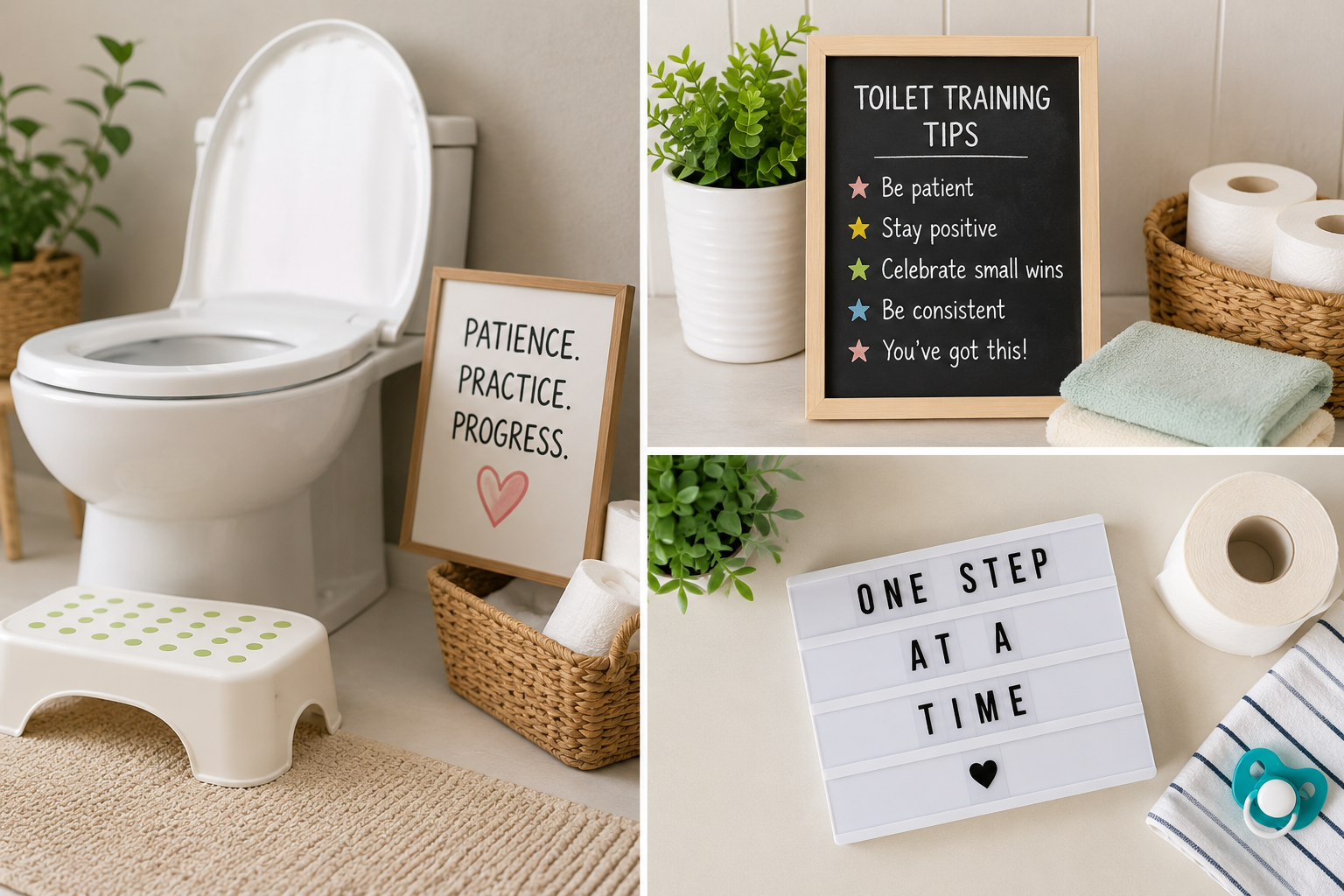
When you do begin toilet training, keeping things relaxed can make a big difference. Encourage your child to sit on the toilet or potty regularly, but try not to put pressure on them. A positive, supportive approach helps children feel confident and secure as they learn this new skill.
It’s also important to remember that accidents are completely normal. They are not setbacks, they are simply part of the learning process. A calm response and a quick change of clothes are often all that’s needed. Children learn best when they feel supported rather than criticised.
Many families find that consistency helps. When home and childcare work together and follow similar routines, children often feel more confident and understand what is expected of them. Open communication between parents and educators can be incredibly helpful during this stage.
Most importantly, celebrate the small wins. Whether it’s sitting on the potty, remembering to tell an adult they need to go, or successfully using the toilet, every step is progress worth recognising.
Toilet training can take time, patience, and plenty of encouragement, but with support and understanding, children will get there. Like so many areas of development, it’s not about how quickly they achieve it, it’s about helping them build confidence along the way.