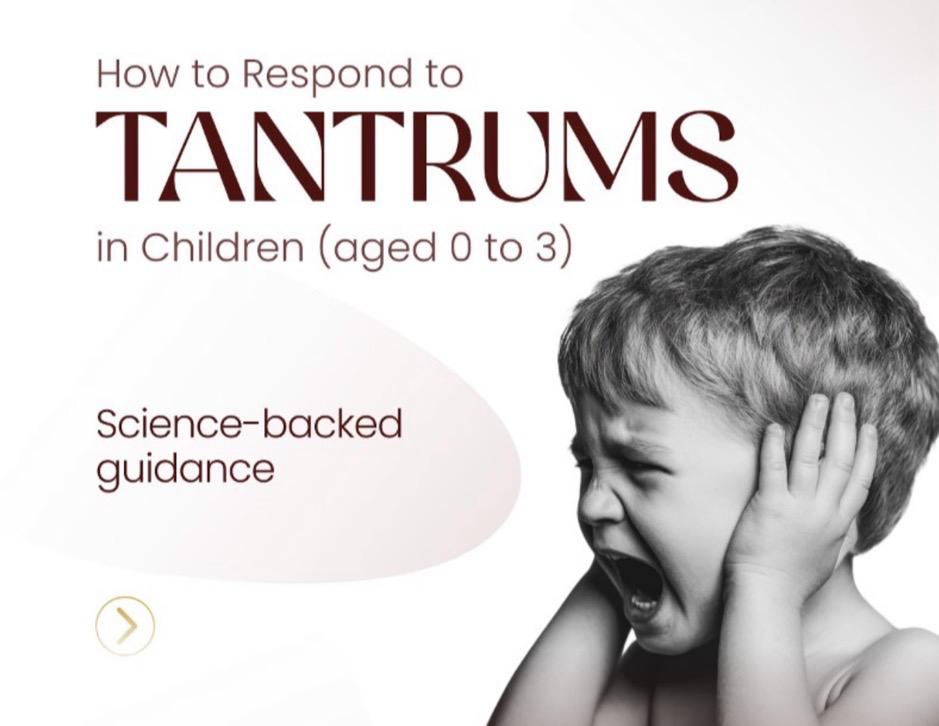
Why Tantrums Happen in Early Childhood
Between the ages of 0–3, a child’s brain is still developing the ability to understand and manage emotions. At this stage, there is no internal “switch” that allows them to stop crying or calm down instantly. When big feelings surface, children are not being difficult—they are overwhelmed.
Parents, carers, and educators working in childcare Malta settings often see this daily. Tantrums are not a sign of misbehaviour. They are a sign that a child needs help regulating emotions.
What Children Really Need During a Tantrum
When a child throws a tantrum, what they need most is not a time-out. They need someone to tune in. A calm, responsive adult helps a child understand that emotions—big or small—are safe to express.
There is no magic phrase that stops the tears. But there is you. The way you respond shapes the child’s emotional development more than anything else.
The Power of Co-Regulation
Co-regulation means helping a child calm down by offering presence, comfort, and understanding. This supportive approach forms the foundation of self-regulation later in life. It is especially important in environments such as daycare Malta centres, drop-off childcare Malta programmes, and extended hours childcare Malta services where young children spend a large part of their day.
Your Response Shapes Their Future
How adults respond during a tantrum has a long‑term impact on children. Those who receive connection instead of punishment grow into adults who:
• Understand their emotions
• Handle stress effectively
• Feel secure in relationships
• Build strong emotional resilience
This is important for parents choosing childcare services in Malta, where free childcare Malta and other early years programmes focus on emotional wellbeing alongside learning and play.
Raising Emotionally Secure Children
Children thrive when adults show them that big feelings are never too much. When we stay close, calm, and supportive—even in challenging moments—we teach children that emotions can be managed safely.
Whether you are a parent, an educator, or someone who works in a childcare environment, your presence during a tantrum matters more than the tantrum itself. The goal is not to stop the feelings but to guide the child through them.
Final Thoughts
Every tantrum is a learning moment. Not just for today, but for a child’s entire future. Emotional coaching during early childhood builds confidence, trust, and security.
Save this if you work with young children or want to better support your own. Your calm response today becomes their emotional strength tomorrow.